



patient lift sling
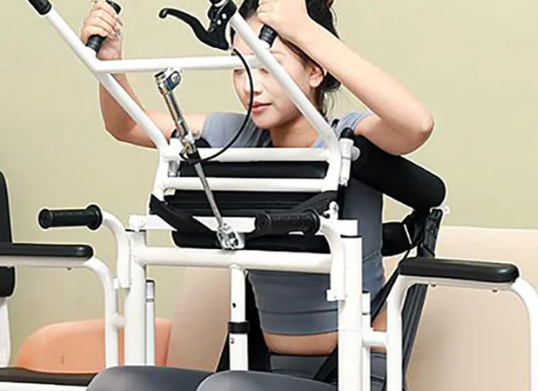
Patient Lift Sling: A Critical Component for Safe Transfers, Where Details Determine Dignity and Safety
When using a patient lift (such as a Hoyer Lift) for transfers, many people focus their attention on the lift itself, yet overlook another crucial component—the Patient Lift Sling.
In fact, even the most advanced lift, when paired with an inappropriate sling, can lead to slipping, skin injuries, or even falls. The sling is not merely a "tool"; it is the bridge connecting the machine to the human body, directly impacting the safety, comfort, and dignity of the transfer process.
What is a Patient Lift Sling?
A patient lift sling is a support device specifically designed for use with a lift. It is typically made from high-strength fabrics (like nylon or polyester) and features multiple attachment loops for hanging on the lift's hooks. When in use, the sling is carefully positioned under the patient. Once the lift is activated, the sling evenly distributes the body weight, enabling a smooth transfer.
While it may seem simple, it is the part of the entire transfer system that is closest to the body and most influential on the user's experience.
What Are the Risks of Choosing the Wrong Sling?
Risk of Slippage: An overly large sling or one with insufficient support can cause the patient to slip out mid-air.
Pressure Sores or Skin Tears: Rough materials, protruding seams, or uneven weight distribution can easily damage fragile skin, especially in the elderly or those confined to bed for long periods.
Discomfort and Fear: A sling that is too tight or improperly positioned can cause the patient pain, a choking sensation, and resistance to future transfers.
Transfer Failure: Using a toileting sling by mistake for bathing can lead to support failure due to its open-crotch design.
Therefore, the practice of using a "one-size-fits-all" sling is extremely dangerous. Making the correct choice is the first step toward a safe transfer.
Common Sling Types and Their Applications
Sling Type Key Features Ideal Applications Important Notes
Full-Body / Universal Sling Wraps around the hips, thighs, and back for comprehensive support. Most routine transfers: bed-to-wheelchair, bed-to-stretcher. Not suitable for toileting or bathing.
Toileting / Commode Sling Features an open crotch design for easy use with a toilet or bedpan. Transfers from bed/wheelchair to a toilet or commode chair. Has a smaller support area; intended only for short-term use.
Hygiene / Shower Sling Made from quick-drying materials (e.g., PE-coated fabrics), mold and water-resistant. patient lift sling Transfers to a shower chair or into the shower. Not designed for prolonged weight-bearing; must be dried thoroughly after use.
Standing / Ambulation Sling Supports only under the armpits and around the pelvis, encouraging partial weight-bearing by the patient. Assisting with standing or walking during rehabilitation training. Requires the patient to have a certain level of balance.
Bariatric Sling Wider and longer, with weight capacities exceeding 300 kg. For users with a larger body size.
How to Select and Use a Sling Correctly?
Choose by Transfer Purpose: Do not use a universal sling for toileting; do not use a cotton sling for bathing.
Match the User's Body Size: A sling that is too small can cause bruising; one that is too large risks slippage.
Check the Weight Capacity Label: Ensure the sling's maximum weight capacity is ≥ the user's weight.
Regularly Inspect for Wear: Immediately discontinue use if seams are splitting, fabric is thinning, or metal rings are deformed.
Maintain Cleanliness: Machine-washable slings should be cleaned according to instructions; waterproof slings should be dried promptly after use.
Handle with Care and Patience: Avoid dragging the fabric across the skin, especially over bony prominences (e.g., sacrum, ankles), when positioning the sling.
Practical Advice for Family Caregivers
Before first use, practice under the guidance of a professional nurse or therapist.
Prepare 2–3 dedicated slings for different purposes to avoid cross-use.
If the patient has particularly fragile skin (e.g., due to diabetes or prolonged bed rest), choose a "shear-reducing" sling with seamless edges and soft padding.
Remember: A sling is not meant to be as tight as possible. Leave a finger's width of space to ensure proper blood circulation.
Conclusion
A small sling carries not just the weight of the body, but also safety, comfort, and dignity. In the journey of caregiving, true professionalism is often reflected in these easily overlooked details.
Choosing the right patient lift sling is not an added burden; it is a scientific way to express care—ensuring that every transfer is smooth, gentle, and dignified.
- PRE:hoyer lifts
- NEXT:portable hoyer lift