



chair lift for elderly
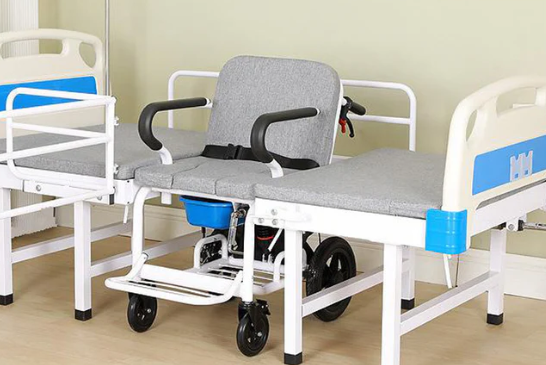
Guardians of Autonomy for Seniors: Lift Chairs - The Cornerstone of Safety, Dignity, and Independence at Home
As people age, the simple acts of "sitting down" and "standing up" can gradually evolve into daily challenges and risks. For hundreds of millions of seniors worldwide, a well-designed lift chair has transformed from a piece of furniture for enhanced comfort into a crucial assistive tool that safeguards safety, maintains independence, and improves quality of life.
Core Value: Safety Beyond Convenience
The core function of a lift chair is to provide assisted lifting and lowering of the seat via a motor, offering users supportive thrust when standing up and sitting down. chair lift for elderly This seemingly simple mechanical action addresses key pain points in elderly life:
Preventing Falls and Mitigating the Greatest Risk: Falls have become the leading cause of accidental death among seniors aged 65 and above. The smooth assistance provided by lift chairs significantly reduces the risk of falls caused by insufficient leg strength or dizziness upon standing (orthostatic hypotension).
Reducing Joint Stress and Alleviating Chronic Pain: For seniors with knee arthritis, hip problems, or lower back discomfort, the lifting function reduces the weight-bearing load on lower limb joints during standing by 50%-80%, making daily activities pain-free.
Preserving Dignity and Promoting Psychological Independence: Being able to stand up independently and effortlessly without frequent reliance on family members provides immense support to seniors' self-esteem and sense of independence, helping maintain a positive mental state.
Evolutionary Trends: From Single Function to Intelligent Integration
Modern lift chairs have evolved into smart home terminals integrating multiple care features:
Health Management Integration: High-end models may include non-contact heart rate/respiratory monitoring, reminders for prolonged sitting, and even alerts for abnormal activities. Data can be synchronized to family members' mobile apps, enabling remote peace of mind monitoring.
Comfort and Therapeutic Functions: Multi-zone massage systems soothe back and waist soreness; low-level heat therapy promotes local blood circulation; zero-gravity mode helps alleviate leg swelling and improve sleep.
Senior-Friendly Design Details: Wider seats and armrests facilitate movement; high backrests and head/neck support provide a sense of security; easy-to-operate remote controls with large-font buttons; and non-slip chair legs with emergency stop functions.
How to Choose: Science of Matching Personalized Needs
Selecting the right lift chair requires comprehensive consideration, like "tailoring clothes to fit":
Step 1: Clarify Core Needs
Primary Goal: Is it mainly for safe standing, or also for comfortable prolonged sitting and therapy?
User Profile: Height and weight, usual sitting posture, main health issues (e.g., arthritis, chair lift for elderly Parkinson's disease, heart conditions), and level of self-care ability.
Step 2: Focus on Key Performance Parameters
Lifting Range and Smoothness: The lifting process should be as smooth and seamless as an elevator, without jolts.
Weight Capacity: Choose a model with a capacity at least 20%-30% higher than the user's current weight to allow for safety margin.
Safety Redundancy: Check for anti-tip design, emergency manual lowering function, and certification marks (e.g., UL certification).
Step 3: Consider Home Integration and Long-Term Use
Size and Style: Measure available space (especially turning radius) and choose fabric or leather upholstery that coordinates with home decor.
Power Safety: Power cords should be easily concealable to prevent tripping; prioritize models with backup batteries to handle temporary power outages.
Service Network: Ensure the brand has a reliable local installation and after-sales team capable of providing regular maintenance and quick repairs.
Practical Challenges and Solutions
Despite obvious benefits, popularization faces conceptual and cost barriers:
Conceptual Shift: Many seniors view using assistive devices as the "beginning of disability" rather than a wise choice for "active aging." chair lift for elderly Family members need to provide positive guidance, framing it as "enhancing safety and comfort," possibly starting with short-term rental trials.
Economic Considerations: High-quality lift chairs can be expensive. In some countries and regions, if assessed by a doctor as "medically necessary," partial reimbursement may be available through long-term care insurance, health insurance (e.g., coverage for certain models under U.S. Medicare Part B), or government subsidies. Fully understanding local welfare policies is crucial.
Future Outlook: Integration into Smart Elderly Care Ecosystems
The future of lift chairs lies in deep integration into home-based smart elderly care ecosystems:
Intelligent Linkage: Connect with smart home systems to automatically turn on lights and adjust indoor temperature when standing up.
Proactive Health Intervention: AI analysis of sitting and standing data can predict trends in muscle weakness or balance decline, recommending personalized exercise programs.
Community Data Interconnection: With privacy safeguards, anonymized group data can help communities optimize the configuration of public senior-friendly facilities.
Conclusion: A Chair, a Dignified Life Choice
Choosing a lift chair for a senior goes far beyond purchasing a piece of furniture. It is the silent and profound love of children, the thoughtful care of a partner, and a reflection of society's respect and support for the entire life cycle.
This chair guards safety, upholds dignity, and maintains that "I can" sense of independence and confidence. chair lift for elderly It allows seniors to enjoy every moment of life more safely and comfortably in their familiar homes—standing up calmly to greet the morning sun, sitting down securely to admire the evening glow. This is not only a victory of technology but also a warm spark of humanistic care in the details. It redefines the quality and possibilities of senior life, allowing the aging process to still be accompanied by the dignity of autonomy, comfort, and poise.
- PRE:capri chair lift
- NEXT:elderly lift chair