



lift chairs
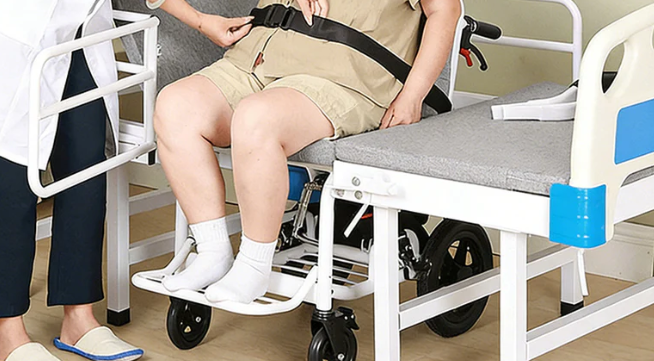
Lift Chair: More Than Just a Chair, It's a "Little Helper" for Independent Living
For many middle-aged and elderly individuals or those with limited mobility, the most common daily actions – standing up from the sofa or sitting down – can be a challenge. Knee pain, weak legs, unsteadiness when rising... these issues not only cause frustration but also increase the risk of falls and other accidents.
This is where a Lift Chair might just be the perfect blend of thoughtfulness and practicality.
A lift chair looks like a comfortable electric recliner, but it has an added "superpower": with a simple press of a button, the seat gently tilts forward and rises smoothly, "assisting" you into a standing position. When sitting down, it lowers slowly, ensuring a safe and controlled descent. The entire process requires no strenuous pushing or pulling, and there's no fear of sudden loss of balance – making it particularly suitable for people with arthritis, Parkinson's disease, stroke sequelae, or those in post-surgery recovery.
Even better, modern lift chairs are far more sophisticated than just "being able to lift." Most models support multiple adjustment positions: you can recline partially to read the newspaper, fully flat for a nap, or elevate your legs to promote blood circulation, relieving lower limb edema and backaches. Some high-end models even come with heating, massage, USB charging ports, cup holders, and other features, transforming the chair into a personal "relaxation pod" at home.
Lift chairs come in different types:
2-Position Lift Chair: Allows for sitting upright or a slight recline, suitable for daily rest.
3-Position Lift Chair: Adds enhanced leg support for greater comfort.
Infinite Position (Zero-Gravity) Lift Chair: Mimics the weightless posture of space, minimizing pressure on the spine and ideal for extended use.
When purchasing, it's recommended to focus on these key points:
✅ Weight Capacity and Size: Ensure it matches the user's height and weight.
✅ Motor Quietness and Stability: The lifting process should be smooth and quiet.
✅ Ease of Operation: The remote control or armrest buttons should be clear and easy to use, especially for seniors with reduced eyesight or dexterity.
✅ Fabric and Ease of Cleaning: Stain-resistant and removable/washable materials are more practical.
Many people initially think: "It's just a chair, is it really necessary to buy one?" But after using it, they realize – it brings much more than just comfort; it provides a sense of security and independence. No need to call family for help to stand up, no worry about falling during nighttime bathroom visits, and no hesitation to rest for fear of "not being able to get up again." This sense of control – "I can do it myself" – is equally important for the mental well-being of the elderly.
More importantly, for family members, a lift chair also offers peace of mind. Knowing that parents can safely and independently perform daily sitting and standing tasks is far better than constant worry.
Ultimately, a lift chair is not something you "need only when you're old"; it's part of smart aging and quality living. It doesn't draw attention, but it quietly safeguards every stable rise and seated moment – making the years more relaxed and care more effective.
If you or your family are facing difficulties with standing up, consider this "helpful chair" seriously. Sometimes, true care is hidden in these small yet crucial supports.
- PRE:lift chairs wausau wi
- NEXT:lift chair recliner