



hydraulic patient lift
The Silent Guardian: The Steady Strength of Hydraulic Patient Lifts
In the world of caregiving, there’s one piece of equipment that stands as a quiet, dependable cornerstone of safe patient transfers: the Hydraulic Patient Lift. It doesn’t rely on smart chips or voice commands. Instead, through simple, timeless hydraulic power, it safeguards both caregiver and patient—in hospitals and homes alike—with unwavering strength and silence.
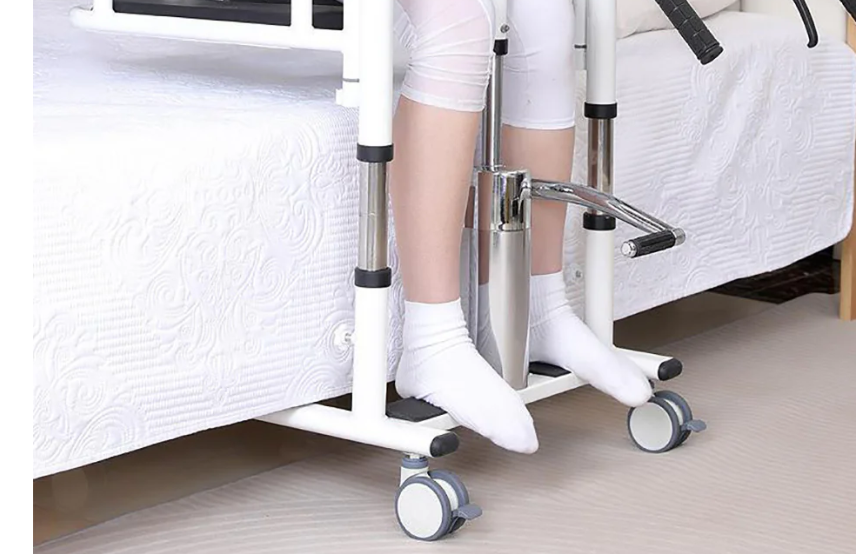
Where the Strength Comes From: The Power of Pascal’s Law
At the heart of every hydraulic lift is a classic principle of physics: Pascal’s Law. When the caregiver pumps the handle, force travels through sealed hydraulic fluid, transforming into smooth, powerful lifting motion.
The system is straightforward:
-
A sturdy metal frame provides a stable base.
-
A manual hydraulic pump gets things moving.
-
An adjustable lifting arm does the heavy lifting.
-
A soft sling cradles the patient safely and comfortably.
What makes this design so trusted? Control and reliability. The speed and precision of the lift are in the operator’s hands—literally. No electrical outlet, no batteries to die, no worries during a power outage. It’s simple, it’s strong, and it just works.
Why It’s Still Irreplaceable
Hydraulic patient lift prove their worth every day in real caregiving situations:
-
They protect the caregiver. Patient transfers are a major cause of back strain and injury. With a hydraulic lift, the heavy lifting is done by the machine, not your body.
-
They keep the patient safe and comfortable. Lifting is smooth and steady—no jarring, slipping, or awkward handling. The patient rests securely in the sling, moving gently from bed to chair or bath, with dignity and minimal discomfort.
-
They’re versatile and cost-effective. Use it in a hospital, a rehab center, or at home. Its simple design means fewer repairs, lower maintenance, and a long service life—making it a smart, affordable choice for long-term care.
Safety Is in the Details
Using a hydraulic lift isn’t just mechanical—it’s an act of care. Safety comes from doing things the right way:
-
Choose the right sling. Different transfers need different slings. Make sure it fits the patient’s body and the task (like moving to a wheelchair or into the tub).
-
Lift with care. Balance the patient before lifting, move slowly, turn gently, and lower with control by carefully releasing the valve.
-
Check before each use. Look for hydraulic leaks, inspect the sling for wear, and test the brakes. These small steps are your biggest safety net.
A Classic That Still Has Its Place

Even with electric lifts growing in popularity, hydraulic models hold their ground. They’re ideal when lifts aren’t needed constantly, but reliability and simplicity are must-haves. For many families and facilities watching their budget, a hydraulic lift offers a dependable, no-fuss solution.
Its presence reminds us that you don’t always need smart tech to provide great care. Sometimes the most enduring solutions are based on simple physics, built for human hands, and ready to serve whenever you are.
In Closing: Care at the Push of a Handle
A Hydraulic patient lift is more than a tool—it’s an extension of the caregiver’s strength and a shield for the patient’s well-being. With every steady pump of the handle, it does more than move weight; it upholds a promise: to protect, to dignify, and to care.
Silent and steadfast, it stands ready. And when called upon, its steady hydraulic force builds a bridge—from risk to safety, from dependence to support. And across that bridge flows what technology does best: caring for people, reliably and respectfully.
- PRE:electric recliner lift chair
- NEXT:NO