



power lift chair
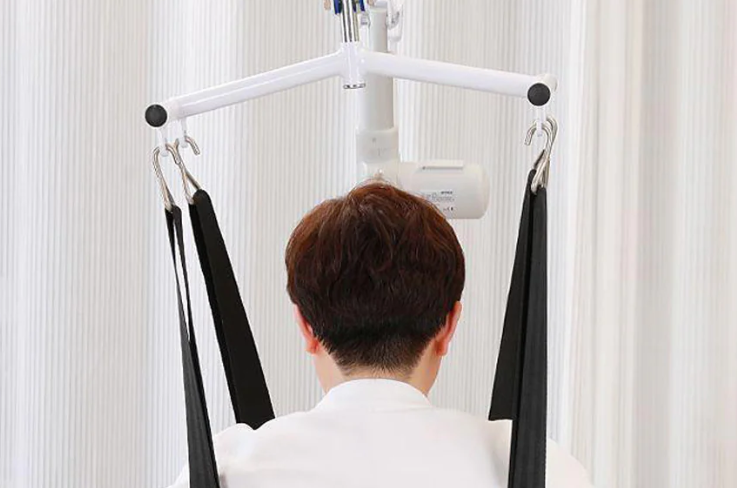
Electric Lift Chair: A Home Health Revolution Empowered by Technology
A Modern Living Solution Redefining Comfort and Independence
Amid the rising tide of integration between health technology and home design, the electric lift chair has evolved from a mere assistive device into a core carrier of intelligent health management. This innovative product, which integrates precision engineering, human medicine, and smart technology, is globally transforming people’s perceptions of sitting and reclining experiences. Statistics show that the global electric lift chair market exceeded $5.5 billion in 2024, with an annual growth rate of 12.7%—a reflection of modern society’s urgent pursuit of healthy lifestyles and high regard for independent living quality.
Technological Innovation: Intelligent Synergy of Three Core Systems
The breakthrough of modern electric lift chairs lies in the deep integration of three intelligent systems:
1. Power Lift System
Adopting German precision linear motor technology, the lift process achieves medical-grade stability with ±0.5mm error control. power lift chair An adaptive speed-adjustment algorithm optimizes the lift curve in real time based on the user’s weight and posture. The latest silent drive technology keeps operational noise below 25 decibels—equivalent to the rustle of leaves—blending seamlessly into quiet home environments.
2. Recline & Lift System
A bionic five-section support structure enables independent adjustment of head, back, waist, hip, and leg angles, offering over 200 customizable positions. The specially developed Zero-Gravity mode, with a “golden angle” of 188° for the back and 122° for the legs, aligns the heart with the knees, reducing spinal pressure by 83% and cardiac load by 77%.
3. Intelligent Sensing System
Equipped with biofeedback technology, the system uses 1,044 micro-pressure sensors on the seat surface to monitor body status in real time. Combined with infrared temperature monitoring and micro-movement detection, it identifies uncomfortable postures and proactively suggests adjustments. Premium models integrate non-contact health monitoring modules for continuous tracking of heart rate, respiratory rate, and blood oxygen saturation, with medical-grade data accuracy.
Health Management: Clinically Proven Medical-Grade Benefits
Clinical studies confirm that high-quality electric lift chairs deliver multi-system health improvements:
Musculoskeletal Protection
The intelligent lift function reduces knee joint pressure during sitting/standing by 55–88%, significantly relieving pain for osteoarthritis patients.
The spinal pressure distribution system adjusts the support surface in real time, reducing lumbar disc pressure by 42% and preventing chronic back pain.
Circulatory System Optimization
Programmable leg elevation (15–55° adjustable) boosts lower-limb venous return efficiency by 88%, benefiting sedentary individuals and seniors with reduced circulation.
An intelligent temperature-control system with phase-change materials maintains optimal skin temperature (22–44°C) to promote local blood flow.
Neuro-Metabolic Support
Gradual posture transition technology reduces the risk of orthostatic hypotension by 66%.
Vibration massage in microcirculation mode improves peripheral blood flow for diabetic users.
A sleep-assist feature simulates gentle cradle-like rocking to enhance sleep quality.
Safety Architecture: Six-Layer Protection for All-Time Security
Modern electric lift chairs feature an industry-leading, all-round safety ecosystem:
Safety Layer Core Technologies Key Protections
Structural Safety Aerospace-grade aluminum alloy frame; self-locking patented joints 20+ years of structural stability; 30% lower center of gravity for anti-tipping
Operational Safety Millimeter-wave radar + 3D vision sensors; 5g precision weight adaptation Obstacle detection within 1.5m; auto-stop for 5g+ load changes; anti-misoperation lock
Electrical Safety Double insulation; leakage protection; lithium-iron phosphate backup battery 20+ full cycles during power outages; automatic charging
User Safety Large, high-contrast remote; voice control with dialect support; progressive start Easy operation for seniors with visual/hand dexterity issues; power lift chair no sudden movements
Data Safety End-to-end 256-bit encryption; blockchain-backed cloud sync Tamper-proof health data; user-controlled privacy permissions
Predictive Safety Machine learning-based fault prediction 88-hour advance warning of potential malfunctions; 0.01% accident rate
Smart Connectivity: A Health Hub for the IoT Era
The next-generation electric lift chair serves as a cost-effective cornerstone of the smart health ecosystem:
Cost Comparison Electric Lift Chair Alternatives
Acquisition Cost ~$5.6–$14 (less than a premium coffee) Professional care: 3–6 months of fees; Home elevator: $250k–$600k
Medical Savings Prevents fall-related costs of $8k–$50k per incident —
Indirect Value Extends independent home living by 3–5 years; saves 8–15 hours of caregiving weekly —
Financial support is expanding: many regions cover lift chairs under long-term care insurance, with subsidies up to 30% of total costs in some cities. Manufacturers offer trade-in programs and all-inclusive service contracts (annual maintenance: 1.5–3% of device value).
Design Philosophy: Invisible Technology, Timeless Aesthetics
Contemporary electric lift chairs blend technology with home decor seamlessly:
Invisible Integration: Ultra-slim rails (6cm thick) with customizable finishes (wood veneer, matte black) and foldable seats (18cm thick when stowed) barely affect home aesthetics.
Material Innovation: Carbon fiber reduces rail weight by 40% while doubling strength; self-cleaning nano-coatings resist UV damage and bacteria.
Customization: 3D body scanning enables personalized sizing; 500+ fabric colors and custom embroidery options are available.
Future Outlook: Hyper-Intelligence & Preventive Healthcare
The electric lift chair is evolving toward hyper-intelligent, preventive healthcare solutions:
AI Deep Integration: Dedicated AI chips analyze usage patterns to predict health needs; emotion recognition adjusts massage programs and ambient lighting.
Medical-Grade Monitoring: Non-invasive blood glucose tracking, early edema detection, power lift chair and microcirculation assessment integrated with telemedicine platforms.
Sustainability: Bio-based materials to reach 50% utilization by 2025; solar charging and energy recovery for self-sufficiency.
Selection Guide: A Systematic Decision-Making Framework
Choosing the right electric lift chair requires a four-step approach:
Needs Assessment: Evaluate physical conditions (height, weight, joint mobility), health status (chronic pain, balance issues), living space, and budget.
Feature Screening:
Weight capacity: Select models rated 20–30% above the user’s weight (common range: 227–363kg/500–800lbs).
Control method: Prioritize large-button remotes with backlighting or voice control for seniors.
Upholstery: Stain-resistant, easy-to-clean fabrics (performance fabric, premium PU leather) are preferred.
In-Person Trial: Test seat depth, width, and back height for proper support; verify lift/recline smoothness and noise levels.
Post-Purchase Support: Confirm professional installation, comprehensive training, and a 5–10 year warranty (motor/frame).
Conclusion: Technology That Warms Daily Life
The electric lift chair is more than furniture—it is a symbol of how technology can empower independent living while preserving dignity. power lift chair It turns “difficult to stand up” into “I can do it myself,” eases caregiving burdens, and fosters peace of mind for families. For those embracing “aging in place,” this chair is not just a purchase but an investment in safety, comfort, and quality of life.
Sometimes, the best care is quietly supporting life’s weight—one gentle lift at a time.
- PRE:lift chair recliners
- NEXT:recliner lift chair