



lift chairs used
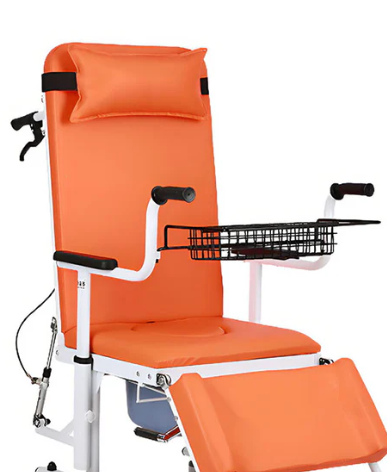
Smart Buying Guide: Pros, Cons, and Risk Mitigation for Purchasing Used Lift Chairs
Purchasing a lift chair is a significant investment, and turning to the used market is an effective way to drastically reduce costs. lift chairs used A well-maintained used lift chair can provide the independence and comfort you need at half the price of a new one, or even less. However, this path is also filled with pitfalls. This article will comprehensively break down the pros and cons of buying a used lift chair and provide a detailed checklist to help you make a safe and informed decision.
I. Pros and Cons Analysis: Why Consider a Used Lift Chair?
Advantages:
Significant cost savings: This is the core appeal. With a limited budget, you can purchase models that were expensive when new.
Eco-friendly choice: Giving a fully functional product a second life reduces resource waste.
Access to higher-quality models: Your budget may allow you to buy higher-end, feature-rich chairs on the used market—options that would be out of reach if buying new.
Risks and Challenges:
Unknown mechanical condition: The motor and lifting mechanism are the "heart" of the chair, and their remaining lifespan is the biggest unknown. The cost to repair or replace a motor is very high.
No or limited warranty: Manufacturer warranties typically do not transfer to second owners, meaning you will have to cover the cost of any repairs.
Hygiene issues: Although cleaning is possible, deep-seated stains, lift chairs used odors, or allergens may be difficult to completely remove.
Hidden damage: There may be unnoticeable frame cracks, unstable bases, or internal structural problems.
II. Where to Find Used Lift Chairs?
Online marketplaces: Facebook Marketplace, Craigslist, eBay (for local pickup).
Local channels: Thrift stores, estate sales, church or community bulletin boards, clearance sections of medical equipment rental shops.
III. Ultimate Safety Checklist (Must-Complete Before Purchase)
If you decide to buy a used lift chair, use this checklist as your guide.
Step 1: Communication and Screening
Before visiting to inspect the chair, ask the seller via phone or message:
"How long have you used this chair?"
"Why are you selling it?"
"Are there any known issues? For example, unusual noises during lifting, jittery movements, or an unresponsive remote?"
"Do you still have the user manual and original remote control?"
Step 2: In-Person Inspection (Never Skip This Step!)
1. Appearance and Structure Check:
Frame: Press and shake the chair firmly to feel for any abnormal looseness or wobbling. Check all welds for cracks.
Base: Ensure the five-claw base is stable with no rust or damage.
Upholstery: Check for stubborn stains, tears, or smoke odors. Ask the seller if you can remove the covers to inspect the interior.
2. Functionality Testing (Core Step):
Lifting function: Use the remote to test the full lifting and lowering process several times. lift chairs used Listen to the motor—it should emit a steady, low hum, not harsh friction, rattling, or knocking sounds. Observe whether the entire process is smooth without jittering.
Recline/zero-gravity functions: If the chair has these features, test all positions one by one. Ensure the backrest and footrest move smoothly and lock securely.
Additional functions: Test whether features like massage and heating work properly.
Remote control: Check if every button is responsive and if the cord (if any) is damaged.
3. Inquire About History and Documentation:
Ask about the chair’s purchase source and approximate year of manufacture.
Request any remaining documents, such as receipts or warranty cards.
IV. Transaction and Post-Purchase Steps
Price negotiation: Negotiate a reasonable price based on any defects found during inspection (e.g., upholstery wear, missing remote covers).
Transportation arrangements: Lift chairs are very heavy and bulky. lift chairs used Plan the transportation method in advance to ensure you have enough manpower and a suitable vehicle to move it safely home.
Thorough cleaning: Once home, immediately clean and disinfect the chair with appropriate cleaners. If the covers are removable, be sure to machine wash them.
Conclusion
Buying a used lift chair is a path with both high potential rewards and high risks. The key to success lies in extreme caution and thorough inspection. If you can find an honest seller and the chair passes the strict safety checks outlined above, you can get great value at a very low cost. However, if you have no knowledge of mechanics or cannot inspect the chair in person, investing in a basic new model with a full warranty may be a safer choice for the sake of safety and peace of mind.
- PRE:lift chairs tampa
- NEXT:lift chairs uk